
Get Piping Replacement
Piping replacement services help property owners fix leaks, improve water flow, and upgrade old or damaged pipes through various plumbing renovation projects.
If property owners are considering piping replacement, they are likely exploring options to improve the safety, efficiency, and reliability of their plumbing systems. Whether dealing with aging pipes, frequent leaks, or outdated materials, the decision to replace piping can be a practical step toward maintaining a property’s value and preventing more costly repairs in the future. This is a common project for those looking to ensure their plumbing infrastructure remains functional and up-to-date, especially in areas with older buildings or systems showing signs of wear.
Finding the right local contractors to handle piping replacement involves comparing experienced professionals in the area who can deliver quality work tailored to specific needs. Property owners are encouraged to explore their options, review credentials, and consider the scope of services offered by nearby service providers. Continuing to read can help identify qualified experts who are prepared to assist with planning and executing piping upgrades efficiently and effectively.
- Residential Piping Replacement - needed when older pipes show signs of corrosion, leaks, or reduced water pressure.
- Commercial Piping Replacement - required for businesses experiencing frequent pipe failures or upgrading outdated plumbing systems.
- Emergency Pipe Replacement - necessary when sudden pipe bursts or major leaks cause water damage or flooding.
- Kitchen and Bathroom Piping Upgrades - sought when remodeling projects call for modern, efficient plumbing fixtures.
- Underground Pipe Replacement - needed to address pipe deterioration or damage caused by soil movement or root intrusion.
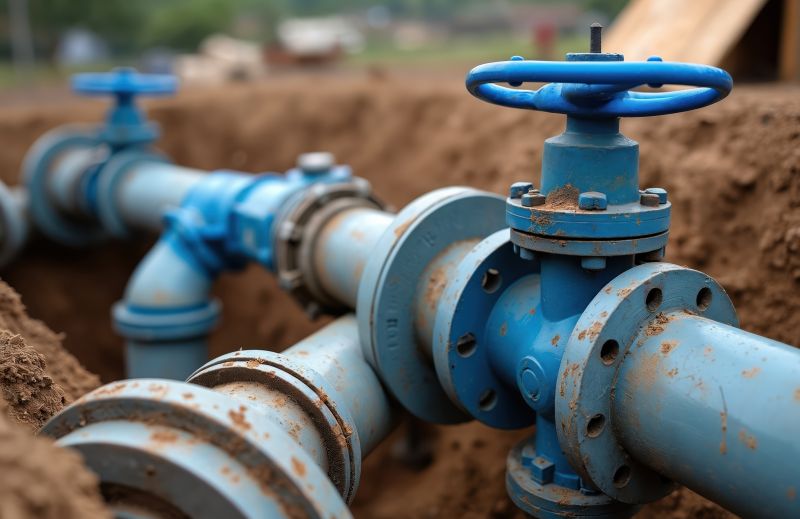
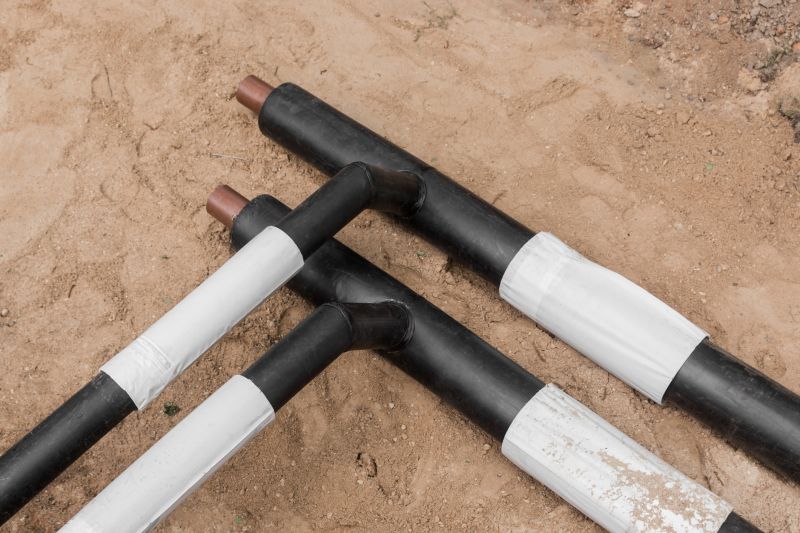
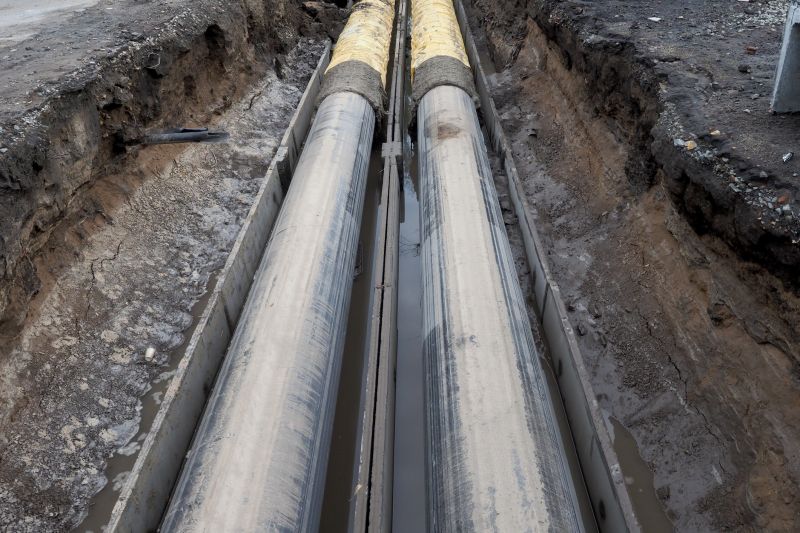
Piping replacement services involve removing outdated or damaged pipes and installing new plumbing lines to ensure a property’s water and waste systems function properly. This process typically includes inspecting existing pipes, removing sections that are corroded, cracked, or otherwise compromised, and carefully installing new piping materials suited to the property’s needs. Proper piping replacement can help improve water flow, prevent leaks, and reduce the risk of plumbing failures that could lead to costly water damage or extensive repairs in the future.
Many common plumbing problems signal the need for pipe replacement. These issues include frequent leaks, low water pressure, discolored or foul-smelling water, and unexplained increases in water bills. Older properties with galvanized pipes are particularly prone to corrosion and buildup, which can restrict water flow and cause pipe deterioration over time. If pipes are making noises, such as banging or knocking, or if there are visible signs of leaks or rust, it may be time to consider replacing the piping system to restore reliable water service and prevent further damage.
Piping replacement services are often used in residential properties, especially older homes where pipe materials have degraded over time. They are also common in multi-family buildings, condominiums, and commercial properties that require upgraded plumbing infrastructure to support increased water demand or to meet current building standards. Homeowners who notice plumbing issues or are preparing for renovations may seek out local contractors to assess their piping systems and recommend appropriate replacement solutions to improve the safety and functionality of their plumbing.
Choosing piping replacement services can be a practical step for property owners facing persistent plumbing problems or planning major upgrades. Local service providers can evaluate existing pipes, identify weaknesses, and recommend suitable materials such as copper, PEX, or PVC based on the property’s needs. These professionals help ensure that the new piping installation is performed correctly, reducing the likelihood of future issues and supporting the overall reliability of the plumbing system. Contacting experienced local contractors can provide options tailored to the specific conditions of each property.
The overview below groups typical Piping Replacement projects into broad ranges so you can see how smaller, mid-sized, and larger jobs often compare in your area.
In many markets, a large share of routine jobs stays in the lower and middle ranges, while only a smaller percentage of projects moves into the highest bands when the work is more complex or site conditions are harder than average.
Smaller Repairs - typical costs for minor piping repairs or replacements usually fall between $250 and $600. Many routine jobs in this range address leaks or small sections of pipe. Larger, more complex repairs can exceed this range but are less common.
Partial Replacement - replacing sections of piping or upgrading specific areas generally costs between $1,000 and $3,000. Most projects in this category are straightforward and stay within this middle range, while more extensive work may push higher.
Full Replacement - a complete piping system replacement often ranges from $4,000 to $8,000. Many homeowners experience costs in this range for comprehensive upgrades, though larger homes or complex systems can reach higher prices.
Large or Complex Projects - extensive piping renovations or replacements in large properties can cost $10,000 or more. These projects are less common and typically involve significant work or special considerations that increase the overall cost.
Actual totals will depend on details like access to the work area, the scope of the project, and the materials selected, so use these as general starting points rather than exact figures.
Water Line Replacement - involves removing and installing new water supply pipes, requiring skills in pipe fitting and planning similar to piping replacement projects.
Gas Line Installation - requires careful handling of gas piping systems, utilizing tools and techniques comparable to those used in replacing plumbing pipes.
Hydronic Heating System Setup - involves installing and replacing piping for heating systems, demanding similar planning and pipework skills as piping replacement services.
Drain and Sewer Line Repair - entails replacing or repairing underground sewer pipes, sharing expertise in pipe excavation and installation with piping replacement work.
Industrial Pipe Fitting - includes installing large-scale piping systems in industrial settings, requiring precise planning and tool use akin to residential piping upgrades.
Fire Sprinkler System Installation - involves laying out and connecting piping for fire suppression, utilizing similar techniques in pipe handling and system planning as piping replacement projects.
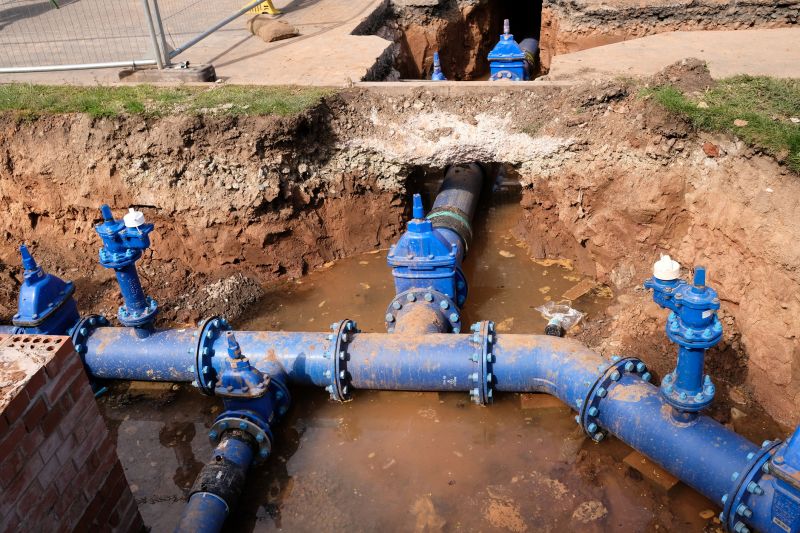
When comparing local contractors for piping replacement, it’s important to consider their experience with similar projects. Look for service providers who have a proven track record of handling piping replacements in homes comparable to yours. An experienced contractor will understand the common challenges and best practices associated with these jobs, which can help ensure the work is completed efficiently and effectively. Asking for examples of past work or references related to piping projects can provide insight into their familiarity with the specific requirements of this type of service.
Clear, written expectations are essential when evaluating potential service providers. A reputable contractor should be able to provide a detailed scope of work, outlining what will be done, the materials used, and any other relevant details. This documentation helps establish a mutual understanding of the project’s scope and reduces the risk of misunderstandings. Ensuring that expectations are well-documented and transparent can contribute to a smoother process from start to finish.
Good communication and reputable references are key indicators of a reliable local contractor. Service providers who prioritize clear communication tend to be more responsive and easier to work with, making the entire experience more straightforward. Additionally, seeking references from previous clients or checking reviews can help verify the quality of their work and professionalism. While the site introduces homeowners to local options, it’s important to independently assess these qualities to find a contractor who is well-equipped to handle the piping replacement project effectively.
Property owners use Piping Replacement services for practical projects around their homes and businesses. This guide focuses on everyday jobs and straightforward project options.
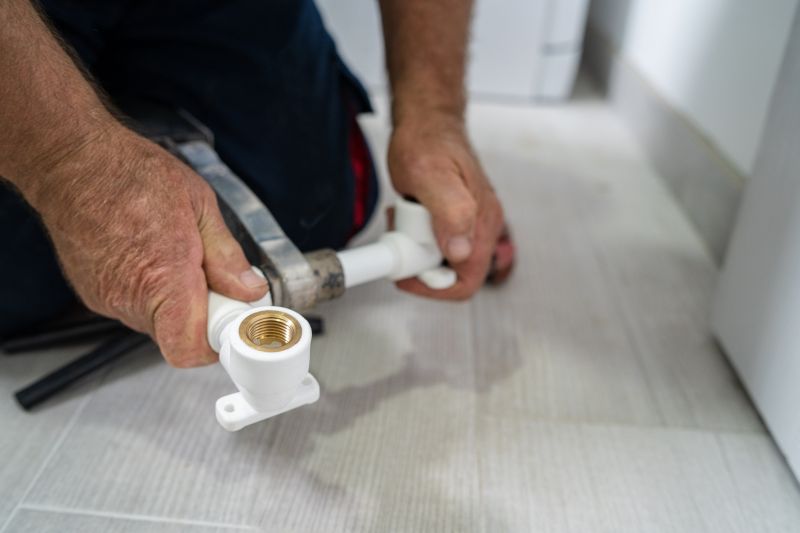
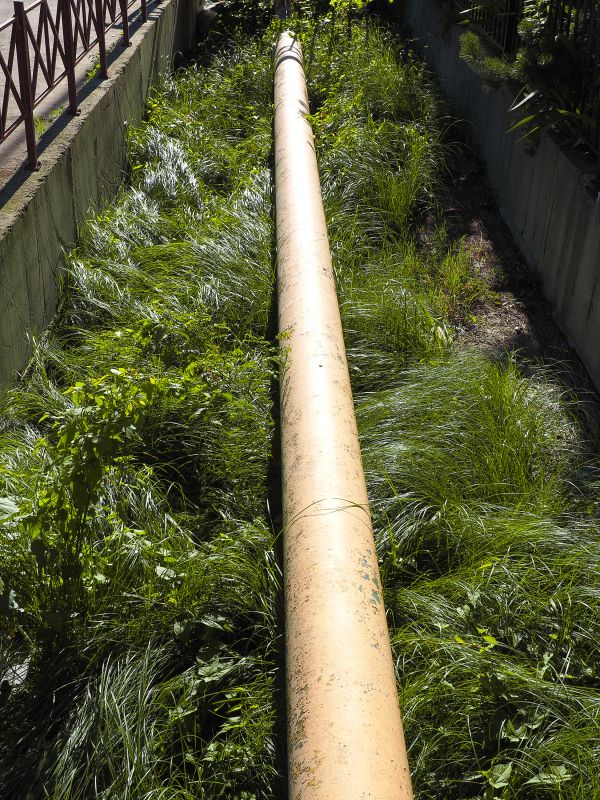
Piping replacement services are often needed when property owners notice persistent leaks, low water pressure, or unusual noises coming from their plumbing system. Older pipes may become corroded or damaged over time, leading to water waste and potential property damage if not addressed promptly. Local contractors can assess these issues and recommend appropriate solutions to restore proper function and prevent further problems.
Additionally, property owners might seek piping replacement during major renovations or if they’re upgrading their plumbing infrastructure to meet current standards. In some cases, pipe materials may no longer be suitable or safe, prompting a replacement to ensure reliable water delivery and compliance with local building codes. Service providers in the area can help evaluate the condition of existing pipes and handle the necessary work efficiently.
What are signs that piping replacement might be needed? Signs include frequent leaks, corrosion, low water pressure, or discolored water indicating pipe deterioration.
What types of pipes are typically replaced during a piping upgrade? Commonly replaced pipes include copper, galvanized steel, and polybutylene, depending on the age and condition of the plumbing system.
How can local contractors help with piping replacement? Local service providers can assess plumbing systems, recommend suitable pipe materials, and perform the replacement work efficiently.
Is piping replacement necessary for all outdated plumbing systems? Not necessarily; a professional evaluation can determine if replacement is advisable based on pipe condition and plumbing needs.
What should be considered when choosing a contractor for piping replacement? Consider experience, reputation, and expertise in plumbing systems to ensure quality work from qualified local service providers.
Preventing Water Damage - Replacing aging or damaged pipes can help avoid leaks that might cause water damage in a home or business.
Improving Water Flow - Upgrading outdated piping can enhance water pressure and ensure reliable supply for daily needs.
Addressing Plumbing Issues - Replacing corroded or clogged pipes can resolve persistent plumbing problems and improve system performance.
Preparing for Renovations - Installing new piping during remodeling projects can support updated fixtures and layouts for modernized spaces.
If you are thinking about Piping Replacement for a property, this guide is meant to help you understand the work, the typical project types, and how different options might fit your plans.
When you are ready, you can use the quote form on this page to share a few details about your project. From there, local pros can review the basics and respond with options that match what you have in mind.